Plots in Badajoz - buy, sell or rent easily

Find plots by category in Badajoz (Province)


Plots for sale with most wanted features
- Urban 23
- Developable 9
- Non developable 13


Latest publications of land and houses for sale in Badajoz (Province)
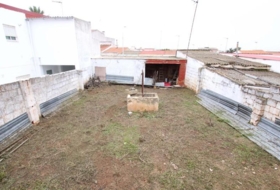
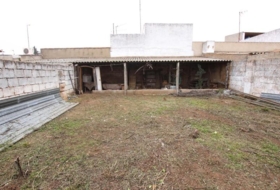
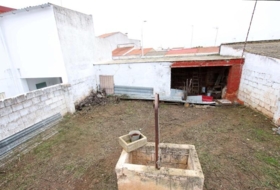
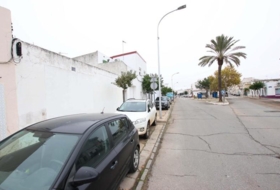
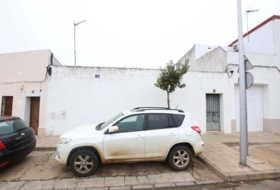
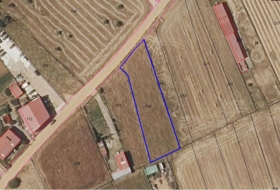


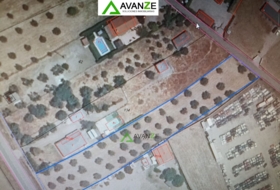
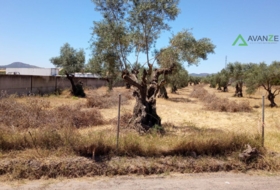
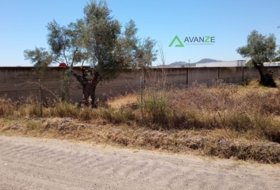
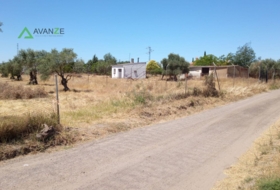
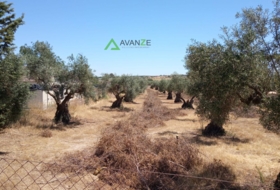
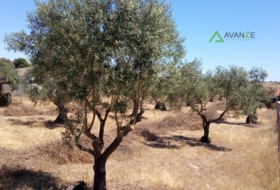
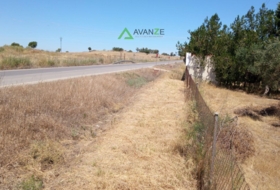
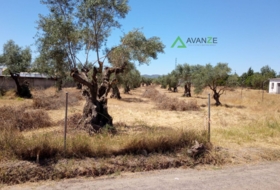
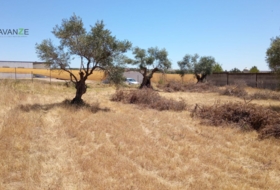
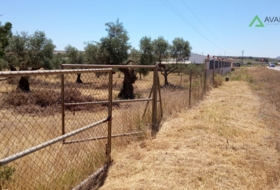



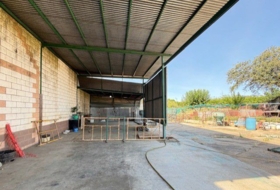
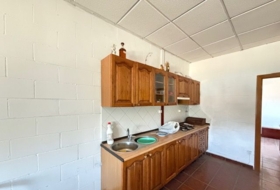
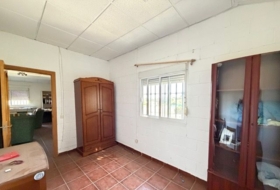
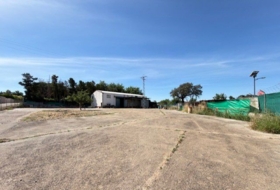

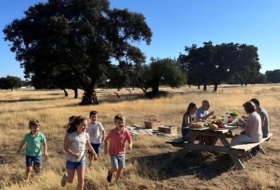
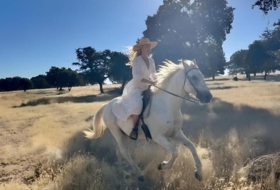
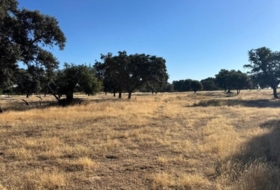
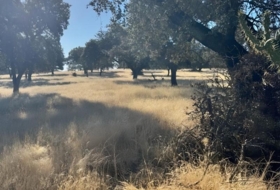
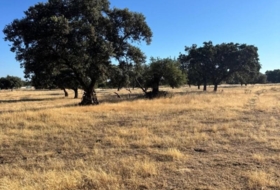
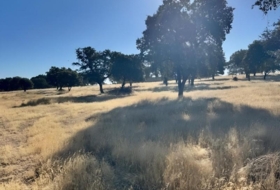
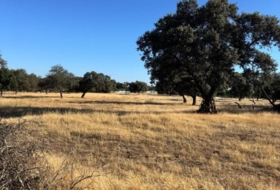
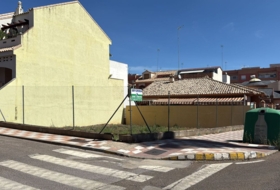

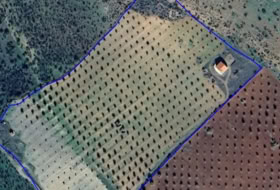


Where to buy land in Badajoz
The average price of urban land is one of the lowest in the country, just over €95/m². Therefore, both dwellings and plots register much lower values, compared to the Spanish average. In this way, the cheapest land for sale in the province of Badajoz is found in the municipalities of La Coronada with a minimum value of €0.40/m², Feria with €0.60/m² and Talarrubias with €1/m².
The rustic properties do have a slightly higher average price since it is a territory with a great agricultural tradition. The cheapest undeveloped land for sale in Badajoz is in Talavera la Real, Cabeza de Buey, Don Álvaro and Magacela with a price ranging between €1/m² and €2/m². Urban plots have a similar situation to developable plots, having a greater presence near the main cities of the province.
Badajoz, a sustainable land
The province of Badajoz, located to the southwest of the country and the south of Extremadura, the Autonomous Community to which it belongs, is the largest in Spain (21,766 km²). A region with a strong agricultural tradition, where you can enjoy a good quality of life and where services are essential for economic development.
The territory of Badajoz is a safe place, with great wealth and environmental sustainability, due to its quality of air and life, which bets on renewable energies. 98% of the electrical energy produced is through these types of sources. Likewise, the administration is developing Spanish-Portuguese cooperation in the field of green and circular economy in rural areas.
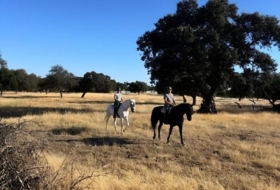
The forest area occupies more than half of the provincial territory and more than 40% is a wooded area, most of which are meadows (around 20% of the area) made up of holm oaks, as well as forests. Other typical species of the area are cork oaks, while stone pines and eucalyptus occupy a smaller area. The great majority of the tree masses are mature. Biomass, cork, etc. are obtained from these forest resources. Taking care of the environment and obtaining ecological products.
An economy in progress
Its activity has traditionally been based on agriculture and it is one of the provinces with the highest production in this field. Badajoz's strategic sectors are the agri-food industry, energy, and tourism. In recent years it has evolved, and the economic engine has focused on the tertiary sector (highlighting commerce, transport, and hospitality), followed by construction, industry and the agricultural sector.
Recently, the economy has experienced a great boom, especially with the creation of new SMEs that revitalize the region, considered a place with a good environment for business.
The development varies according to the region. For example, in the largest cities services and industry stand out; while in the more rural areas, it is the primary sector that gains importance, with agriculture (rainfed -olive groves and vineyards- and irrigation), livestock (sheep and pigs) and an incipient agro-livestock industry.
To fight against the depopulation of rural areas and facilitate entrepreneurship in industrial activities, the rural land regulations have been modified, which allows agricultural, forestry, hunting activities and includes agro-industrial activities, tourism, leisure, and renewable energies. Likewise, this new law allows the proximity trade of the products of the land.
Agriculture threatened by climate change
Its climate is the continental Mediterranean, with cold and cloudy winters and dry and hot summers, with high temperatures. Precipitation is becoming more irregular and scarcer; some years there are even droughts. These peculiarities, together with the weak soils in the area, undoubtedly affect the crops. Its production is diverse. Rainfed crops predominate (cereal, grapevine, olive tree -representing more than 20% of the arable land in the province-), irrigated land (vegetables -tomato-, corn, sunflower, fodder, rice and fruit trees) and meadows.
Agricultural land occupies more than 40% of the territory and has one of the lowest values in the country (€5,000/ha on average approx.). The plots are generally medium-sized and modern mechanized systems are used for the care and harvesting of the crops.
Cattle ranch
Livestock farming is most extensive and is located mainly in the meadows, populated by holm oaks and cork oaks, which offer greater agricultural, livestock and forestry resources to be able to develop this activity, such as natural pastures, browsing and acorns. The sustainable exploitation of these natural spaces gives rise to products of the highest quality while protecting the environment.
The species of animals that we can find in these places are Merino sheep, Iberian pigs, Verata goats, as well as Retina and Avilanian cows.
Regarding the number of heads, sheep farming stands out, followed by pigs, cattle, and goats.
A hunting territory almost in its entirety
A large part of the territory of Badajoz is framed in hunting reserves, which are managed both by the Junta de Extremadura and by private owners. In them, you can find species of large game (wild boar, deer, fallow deer, mouflon) and smaller.
This activity helps establish a population in the area due to the benefits it implies in numerous aspects, such as restaurants, hotels, as well as the organization of events and competitions, which attract participants from national and European geography.
A practically rural society
Most of the population lives in the capital, Mérida, or in the larger cities, such as Badajoz or Don Benito. The rest of the urban centres are distributed throughout the geography, with a more rural character.
In conclusion, in Badajoz, you can enjoy a good quality of life thanks to the suitability of its environment. Instead, it is one of the least developed regions of Spain; To alleviate these shortcomings without damaging nature, investment is being made in renewable energies and companies are also being created to promote the wealth of this land, where we can find a wide range of land at very affordable prices.